


Tigre is one of the most accessible destinations for travelers visiting Buenos Aires who want to experience a different environment without venturing far from the city. The trip from the capital takes less than an hour, and upon arrival, the change in atmosphere is immediate.
At the Domingo Faustino Sarmiento International Fluvial Station, the steady movement of boats, tourists, and residents carrying supplies makes it clear from the start that navigation plays a central role in daily life. For many international visitors, this first impression sparks curiosity about how a community connected by rivers and canals operates.
 Tigre is part of Greater Buenos Aires and serves as the gateway to the Paraná Delta, a region where many homes sit on islands accessible only by boat. This draws travelers who want to learn about lifestyles that differ from the traditional urban pace.
Walking along the docks, the constant activity — boat engines starting up, departure announcements, and passengers boarding their vessels — offers a direct look at everyday movement in the area.
The city’s history also provides an interesting backdrop for visitors. Originally known as Las Conchas, Tigre evolved from a point tied to river trade into a popular retreat for wealthy Buenos Aires families in the twentieth century. Its proximity to the capital and the calmness of the delta gave it a prominent role as a vacation spot.
Today, with a more developed tourism industry, specialized agencies offer day trips as well as longer stays for those who want to explore island life in greater depth.
From the fluvial station, private boats and public water buses depart throughout the day. These water buses function as public transportation, connecting residents and tourists to various parts of the delta.
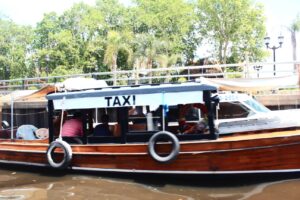 More than a hundred vessels operate on regular routes. During a ride, it’s common to see students, workers, and families traveling between islands.
For visitors, watching this flow of people provides a clear understanding of the region’s social and logistical dynamics. There are also excursions designed specifically for travelers, covering several channels in just a few hours and offering an initial overview of the delta’s scale and activity.
The city of Tigre has the necessary infrastructure to welcome visitors. Hotels, restaurants, gas stations, and a wide range of shops complement its navigation services.
Many homes and businesses located on the islands depend entirely on boat transportation, which shapes both everyday life for residents and the experience of those visiting for the first time. The Luján, Sarmiento, San Antonio, Paraná de las Palmas, and Capitán rivers converge here, forming a network of channels that structures movement throughout the area.
Travelers interested in cultural activities will find several museums and historic buildings that help explain Tigre’s development. One of the most visited is the Sarmiento House Museum, located on the Sarmiento River. Built in 1855, it was once the residence of former Argentine president Domingo Faustino Sarmiento.
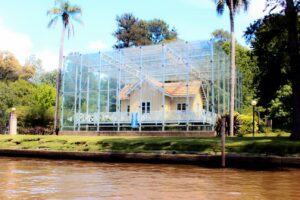 The original wooden house is protected by a glass enclosure that shields it from the delta’s humid climate. Declared a National Historic Monument in 1966, it is now an important stop for those interested in the political and social history of the region.
The delta also serves as an active setting for water sports. Rowing plays a central role, and several local clubs attract both amateurs and professional athletes. Water skiing, fishing, and motorboating are also practiced.
Throughout the year, Tigre hosts national and international competitions, adding to its appeal for outdoor enthusiasts or those seeking alternatives beyond the capital’s cultural offerings.
For families or travelers looking for entertainment options, the city offers a casino and one of the most important amusement parks in South America. These attractions coexist with the growing interest in nature-focused tourism. The delta is home to more than 170 bird species, making it a significant destination for birdwatchers and photographers. Boat rides provide the opportunity to observe wildlife and riverside vegetation without traveling far from populated areas.
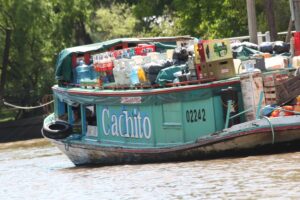
One of the most striking aspects for visitors navigating the channels is the network of fluvial services available to island residents. There are boats that operate as mobile markets, school transport, garbage collection, and delivery services. Water taxis and other public service boats also circulate regularly.
Observing this system allows visitors to understand how a community functions when boats take on the role that streets and land-based vehicles have elsewhere.
Tigre is more than a simple tourist destination. For many travelers, it’s an opportunity to observe a unique way of life and understand the daily relationship residents maintain with the delta. Its combination of history, nature, and recreational activities creates a broad offering that suits a wide range of interests.
Whether on a short day trip or a longer stay, exploring the Paraná Delta helps visitors understand why this area has become one of the most distinctive destinations in Greater Buenos Aires.
Images: Edgary Rodriguez R.