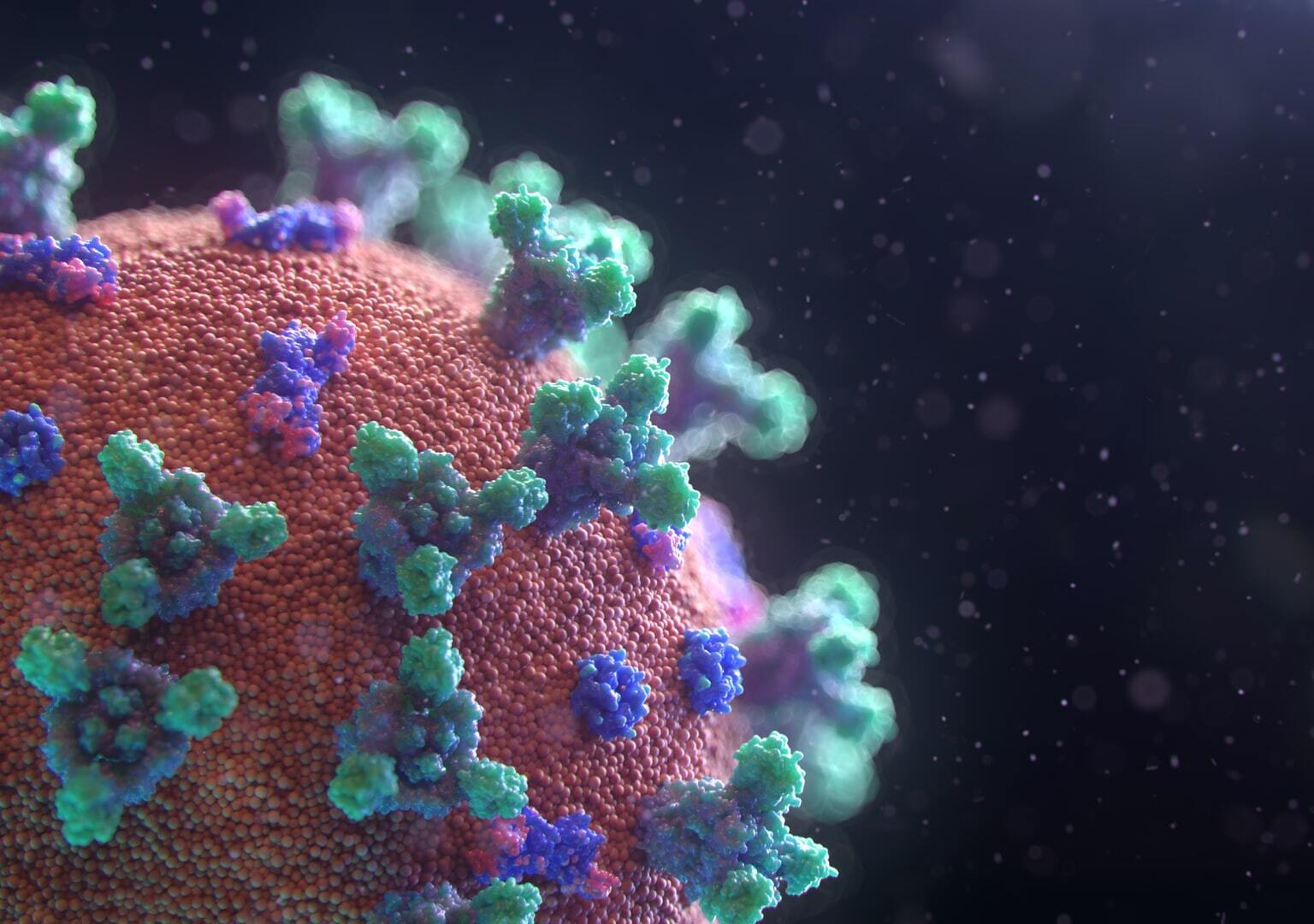
The escalating death rate, coupled with the shortage of the vaccine, has fuelled a public panic surrounding the H1N1 virus. The limited supply of vaccines has caused the U.S. government to focus on insuring those who are considered high-risk are the first to be vaccinated. The impoverished must depend upon free clinics or look for a venue that offers a sliding-scale payment.
According to MSNBC, the state with the largest population of either under-insured or uninsured is Texas. Texas has a rate 41% higher than the national average of incarcerated adults per 100,000. Considering that Texas has the highest rate of under/uninsured and also has the highest rate of incarceration, class and social positioning clearly plays a huge part in who society feels should receive priority treatment.
The government has a responsibility to ensure that prisoners are receiving adequate medical care. Prisons are a breeding ground for influenza, because of overcrowding and close quarters. Employees of prisons interact in the larger community, thus presenting the opportunity to pass on communicable diseases. Furthermore, the prison population experiences a constant shift in bodies, as new people enter and leave each day. Those prisoners who are paroled or who have finished serving their term also present the threat of transmission. This must be factored into the debate when we consider how overall medical care in prison facilities effects the general population.
Lt Governor David Dewhurst of Texas released the following statement:
No Texan should, or will, be second in line to receive the H1N1 vaccine behind prisoners in our correctional system. I have been assured by The Texas Dept. of State Health Services that prisoners are not a priority group to receive the vaccine, with the exception of some who meet strict, medically at-risk criteria as defined by the Centers for Disease Control.
Using medical risk as a determinate of vaccination means that someone currently on death row could potentially receive the vaccine before someone who is not in jail. This has created a public controversy. Online commentary at Texas newspapers have been filled with negative commentary. One such example can be found at the Beaumont Enterprise where one reader had this to say:
“If you’re pregnant and can’t find a place that gives flu shots go down to the Stiles Unit and tell them you just shot someone. You get to go to the head of the line.”
Another stated:
“This is crazy!! There are children that need the inoculations before these prisoners!! LET THEM SUFFER! I do not feel sorry for these guys pregnant or not. Our government is so screwy. This shouldn’t happen!!”
Similar responses can also be found in Amarillo, Texas. Criminality is conceptualized as bad enough to invalidate someone’s right to receive medical care. When someone is incarcerated, they become a living embodiment of their crime and thus their lives are systematically devalued. When we consider that the justice system has a history of being racist and classist, the demonization of prisoners mirrors an unflattering reflection of how deeply we have internalized our problematic social hierarchy.
According to the American Civil Liberties of Texas, prisoners incarcerated in “San Antonio are more likely than the average citizen to have health problems ranging from serious and chronic illnesses to acute and temporary pain.” In the year 2005, the University Health Systems discovered that in the Bexar County Jail, 68% of the detainees had tuberculosis and a further 5% had staph infections. If the aforementioned medical conditions were able to flourish, it is possible to suggest that H1N1 would also find prisons to be hospitable environments.
In Harris county, conditions were so poor, that in June of 2005, the Texas Commission on Jail Standards documented that 1900 detainees were sleeping on the floor due to a lack of beds. Prison overcrowding endangers the basic rights of prisoners, including the right to an adequate standard of living and the right to the highest attainable standards of physical and mental health. These are guaranteed by Article 25 of Universal Declaration of Human Rights and Articles 11 and 12 of the International Convent on Economic Social and Cultural Rights.
In a report by CBS, Helga Dill, wife of Charles Dill, who is serving 20 years on sex crime charges in Estelle Unit, near Huntsville, Texas, says that her husband’s diet consists mainly of hot dogs. Prisoners are housed in the worst conditions and then given an inferior diet. This combination increases the likelihood that they will experience some form of medical illness in the course of their incarceration. If such conditions were the norm for the general population, it would result in outrage.
Those most likely to be incarcerated are either poor or of color. The Texas Commission on Jail Standards reported in 2005 that the when the prison population was divided by race, 29% were Hispanic, 39% were African American and 32% were Anglo. Blacks and Hispanics make up 68% of the prison population, and are the least likely to be able to afford health insurance and the most likely to live in poverty. For those living on the margins of society, race and class often interact to result in either negative gains or death.
Within the context of a health care debate, the reluctance on the part of the populace to administer the H1N1 vaccine to the prison population speaks of a refusal to accept the first premise of socialized medicine – no matter their circumstance, everyone should be entitled to adequate health care. Insurance companies are dependent upon the public invoking class privilege to support their desire to maintain a pay-per-use system. It is not possible to invoke a personal right for health care and then seek to mediate who else has access without supporting the idea that health care is not a universal right.
In fear, we quickly revert to narcissistic individualism, which is not in the best interest of marginalized bodies. The famous death row political prisoner Mumia-Abu Jamal refers to prison as “a second-by-second assault on the soul, a day-to-day degradation of the self, an oppressive steel and brick umbrella that transforms seconds into hours and hours into days. This conflict over vaccination has arisen because Americans long ago stopped viewing prison detainees as human. In fact, most people treat their pets better.