Civilians in the autonomous Iraqi Kurdistan region are once again finding themselves in the line of fire after Turkey launched another major operation against the Kurdistan Workers’ Party (PKK)...
Two years ago, Turkey launched an unprovoked invasion of the northwestern Syrian Kurdish enclave of Afrin. Since then, primarily through its Syrian militia proxies, it has instigated a concerted...
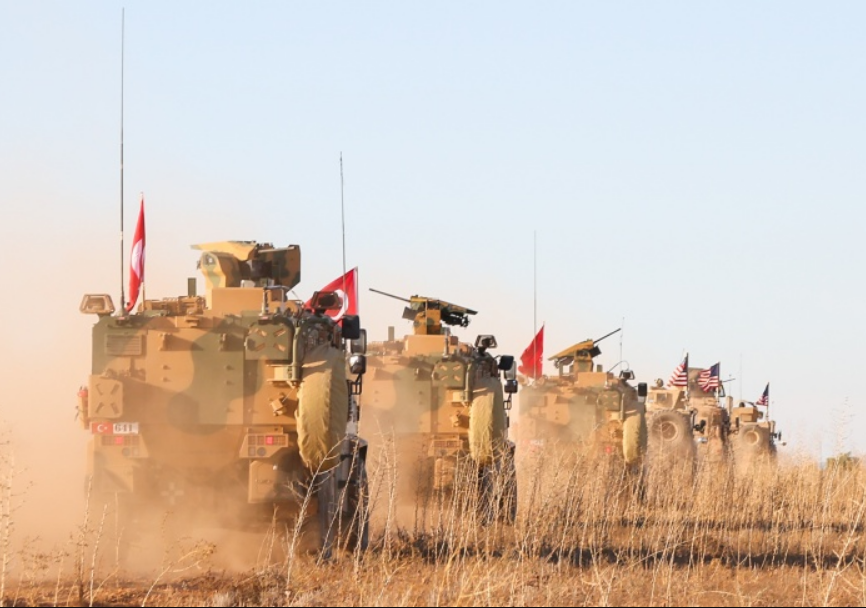
Turkey’s latest incursion into Syria is the latest part of a broader strategy Ankara has been implementing in northern Syria. This strategy is one of incrementally dividing and invading Syria’s...
Turkey’s plan to resettle Syrian refugees in the country’s northeast is not motivated by the admirable goal of facilitating a safe return of these refugees to their homes. Rather, Turkey aims to...
In light of Turkey’s renewed threats to invade Syrian Kurdistan (Rojava), the present is an apt time to reevaluate the dire consequences that such an action would have for northeast Syria and the...
I sit in North London, in a flat with windows the length of the floor to the ceiling, overlooking passers-by getting on with their day. Ege Dündar is looking out the window, reminiscing on his life...
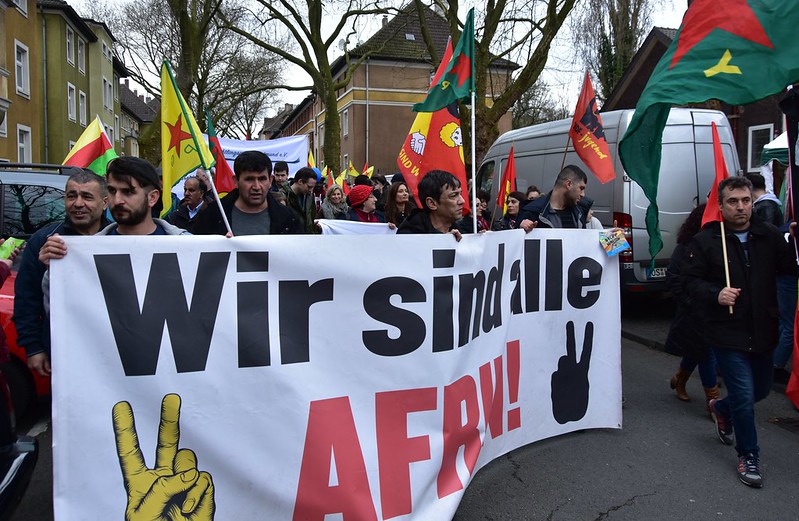
March 18 marked the one year anniversary of the conclusion of Turkey’s unprovoked and aggressive invasion of the Kurdish enclave of Afrin in northwest Syria and the beginning of the ongoing...
“They're talking about tomatoes, aubergines, peppers. But just think about the price of bullets. Think of what the cost is to equip our soldiers to fight terrorists. But you're still talking about...
In a truly unprecedented development, angry Iraqi Kurds on Saturday, January 26, ransacked one of Turkey's military bases on their soil in reaction to the continuous Turkish airstrikes on the...
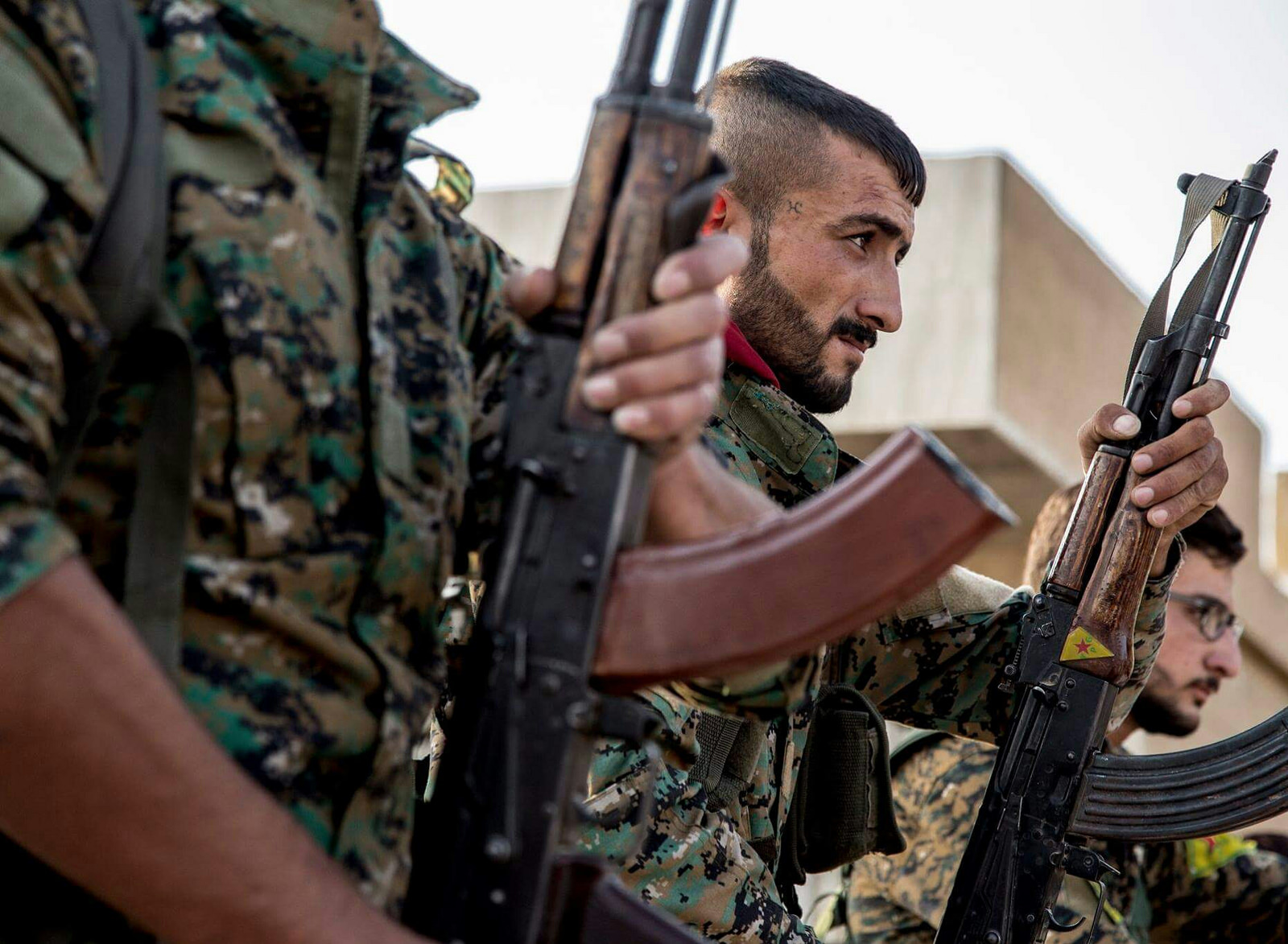
U.S. President Donald Trump's decision to withdraw from Syria, where at least 2,000 U.S. troops are supporting Kurdish-led forces in their multiple offensives against the Islamic State (ISIS),...