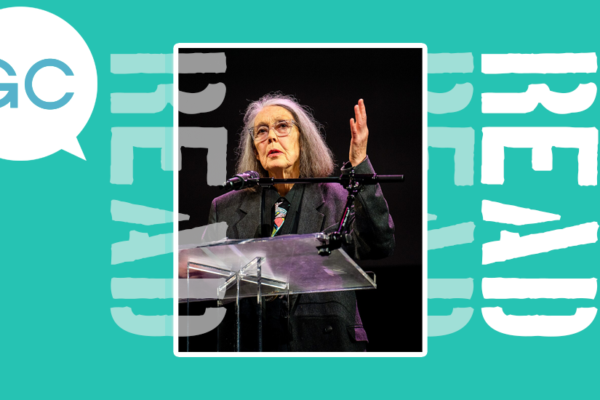
Laura Jansen, University of Bristol For over four decades, Anne Carson has been quietly redrawing the map of contemporary literature. Poet, translator, classicist, essayist, performer and visual...
Every Monday on Global Comment, we share Something Special you don't want to miss. To fit with the six core pillars of the magazine, these will alternate between the themes of watch / listen / read /...
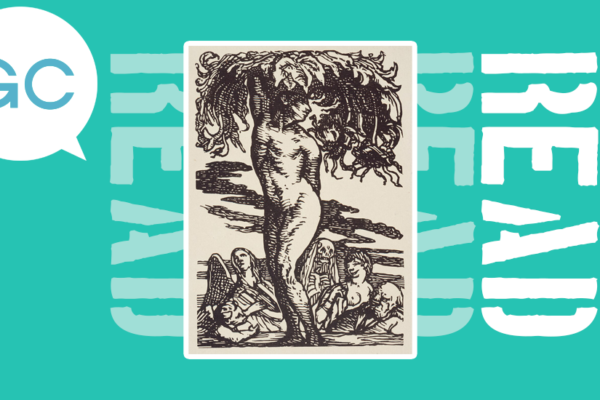
This month over at Five Books For I’ve been looking at classics in translation, and while there are plenty of options from around the world to explore, one that is closer to home - for me at least...
Every Monday on Global Comment, we share Something Special you don't want to miss. To fit with the six core pillars of the magazine, these will alternate between the themes of watch / listen / read /...
Rory Waterman, Nottingham Trent University Historically, poets have had less to say about pandemics than you might imagine. Hardly any English-language poetry written during successive waves of...
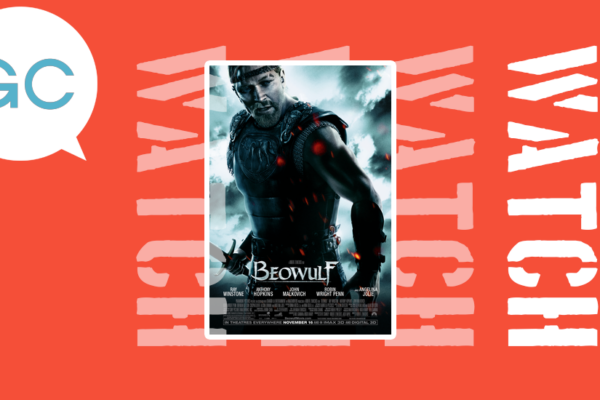
Jon Stone, Anglia Ruskin University Poetry isn’t a medium typically associated with towering beasts. Lyric poems tend to be short, tender and concerned with minor everyday incidents. That, or...
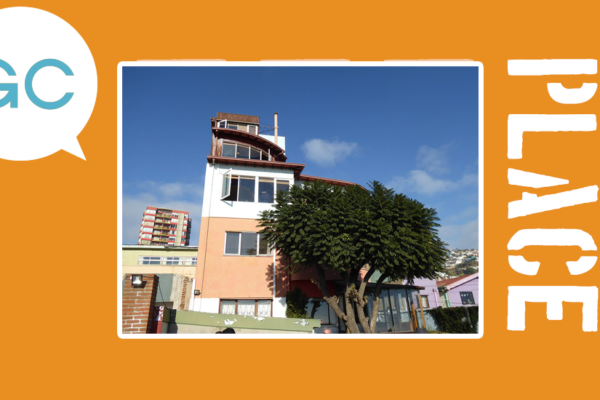
The streets of Valparaiso are poem and color. Pablo Neruda owned a house in this place, which is now a museum. Not even the poet could resist the charms of the city with colorful houses and elevators...
Last week I went to see Cats, the movie. I fully expected to hate it, having forgotten the wonder the nerdy, musicals-obsessed 13 year old I once was felt years ago in the Bradford Alhambra. In fact,...
Indian poet Prerna Bakshi writes searing, stark, powerful political poetry and in her collection Burnt rotis, with love, she tackles a huge range of social, political, and personal issues. Her...
Half-Life here on planet earth we watch sad movies, cry, and eat popped corn with salt when we want to feel things cheaply. I wonder what the aliens make of us tucked up on the mothership the surface...