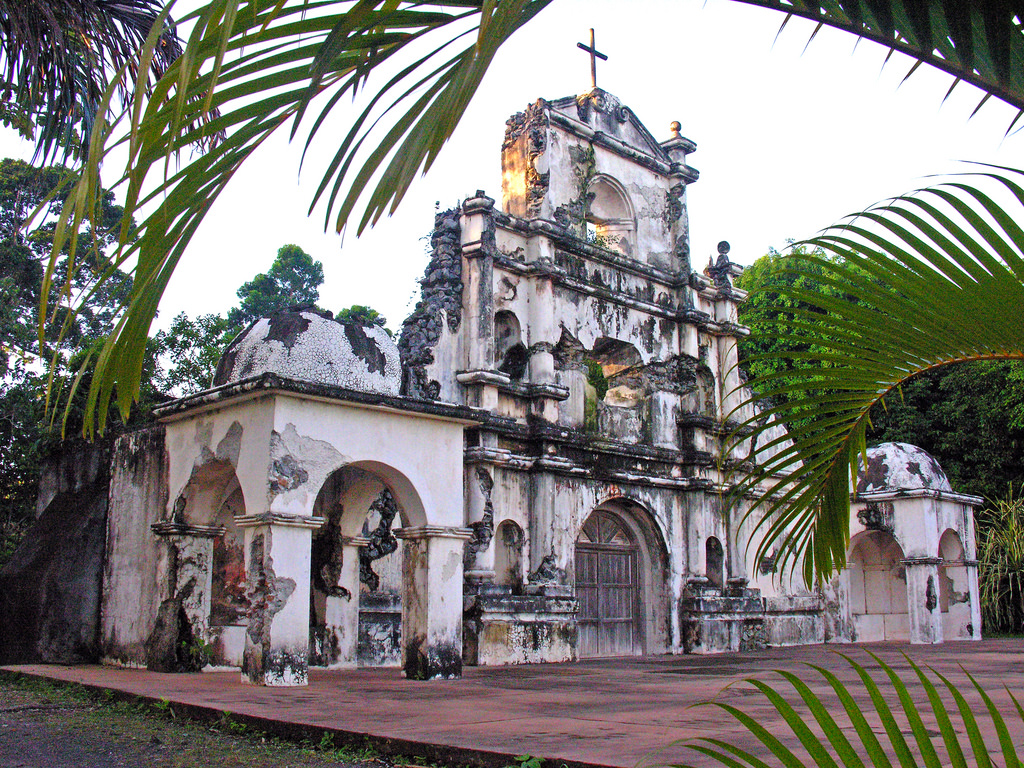
This is an interview with a Guatemalan resident of Lynn, Massachusetts. For safety reasons, his name has been changed to Sebastian Martinez. This interview recounts Sebastian’s experiences...

The United States faces an unprecedented surge in the number of unaccompanied child migrants from Central America. Specifically, the children are fleeing El Salvador, Honduras and Guatemala; a region...

Claudia Paz y Paz is Guatemala’s first female Attorney General - although she will not be holding the position for much longer. She is not being made to leave her position for reasons of...
One of the most under-reported factors behind the revolutions in Tunisia and Egypt was the rise in food prices in the Middle East over the last year. It’s simple, really: hungry people become...
In recent years there has been growing awareness of the ways in which early marriage can be detrimental to the lives of women. Feminists are continually derided for describing patriarchy as a system...

